Wheels to Clicks: Automotive E-Commerce Evolution
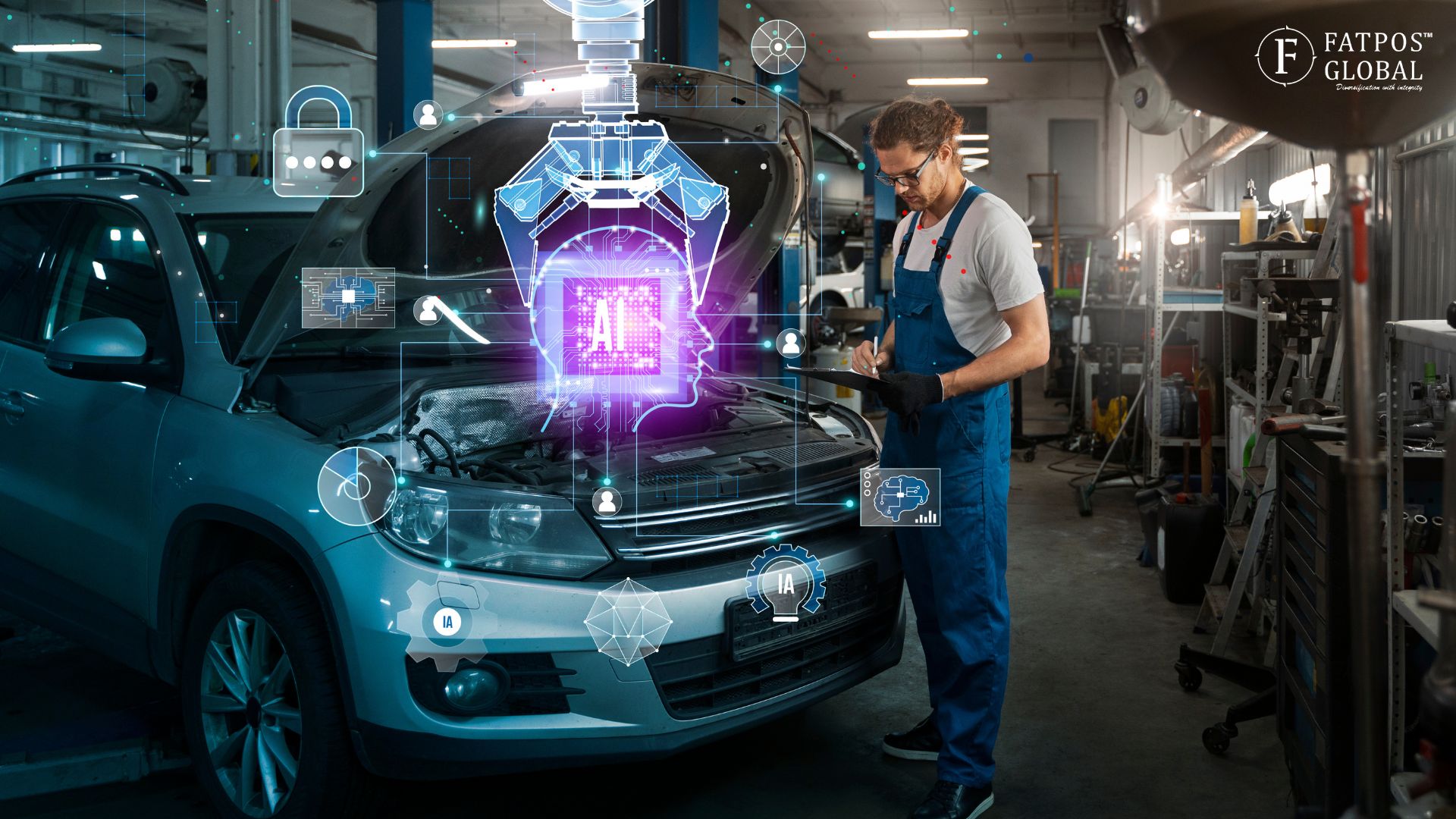
The future of the automotive e-commerce market also hinges on the rapid developments in artificial intelligence (AI) and its multifaceted applications. AI is revolutionizing various aspects of the industry, from customer service chatbots to predictive analytics for inventory management and demand forecasting. These technologies are enabling more responsive and efficient customer service, providing instant answers to inquiries, assisting in vehicle selection, and personalizing the overall shopping experience. AI's integration with big data analysis allows for the identification of trends and patterns in consumer behavior, aiding in the development of targeted marketing strategies and product recommendations. Moreover, AI-powered predictive maintenance systems offer insights into vehicle health, reducing downtime and unexpected repairs for consumers. As AI technologies continue to evolve, there's immense potential for further innovation, such as the utilization of AI-driven autonomous vehicle marketplaces and decision-making systems, significantly transforming the way vehicles are bought, sold, and utilized. The intersection of AI and automotive e-commerce is poised to drive efficiency, personalization, and convenience, shaping a more advanced and adaptive marketplace for both businesses and consumers. As the automotive e-commerce market evolves, the concept of data-driven decision-making and the utilization of advanced analytics continue to be instrumental. Businesses operating within this sphere are increasingly reliant on data analytics to understand consumer behavior, market trends, and operational efficiencies. Predictive analytics and machine learning algorithms enable companies to forecast market demands, optimize pricing strategies, and tailor their offerings to consumer preferences. Moreover, data-driven insights play a crucial role in enhancing inventory management, streamlining supply chains, and minimizing operational costs. With the growing significance of data privacy and security, companies are placing a greater emphasis on safeguarding consumer information, adhering to strict data protection regulations, and building trust with their customers. The strategic utilization of data analytics and the responsible handling of data will undoubtedly be pivotal in shaping the future of the automotive e-commerce market, allowing businesses to adapt swiftly, personalize experiences, and foster stronger relationships with their customer base. The future of automotive e-commerce also intersects with the rapid evolution of energy-efficient and sustainable transportation solutions. With an increasing emphasis on reducing carbon footprints and combatting climate change, there's a growing shift towards alternative energy vehicles. Electric vehicles (EVs), in particular, are gaining traction, and the e-commerce market plays a significant role in promoting and facilitating their adoption. E-commerce platforms are actively showcasing and selling electric vehicles, often providing comprehensive information about charging infrastructure, incentives, and environmental benefits. Furthermore, the focus on eco-friendly practices extends to the availability of sustainable automotive parts, accessories, and maintenance services on these platforms. The growing availability of EVs, coupled with initiatives to reduce the environmental impact of the automotive industry, is propelling the automotive e-commerce market toward a more sustainable and eco-conscious future. As technology advances and consumer preferences continue to shift towards green alternatives, the e-commerce landscape is poised to further embrace and promote sustainable transportation solutions, thereby shaping a more environmentally friendly automotive market. The rise of smart mobility solutions and their integration into the automotive e-commerce space is also a pivotal aspect shaping the industry's trajectory. This convergence involves not only the sale of vehicles but the development of comprehensive mobility services. E-commerce platforms are expanding to encompass ride-sharing, car-sharing, and subscription-based mobility offerings, creating a one-stop-shop for various transportation needs. These platforms facilitate the access to mobility-as-a-service (MaaS), providing consumers with flexible and diverse transportation options beyond car ownership. Additionally, the integration of connected and autonomous vehicles into these mobility solutions holds the promise of reshaping urban transportation landscapes. With the potential for self-driving vehicle fleets and advanced connectivity, the automotive e-commerce market is moving beyond traditional ownership models, towards a more dynamic and interconnected mobility ecosystem. This shift positions the industry to cater to evolving consumer preferences for on-demand, shared, and technologically advanced transportation services, offering a glimpse into a future where transportation is not just about selling cars but delivering comprehensive mobility solutions. The global automotive e-commerce market is also witnessing the dawn of innovative financing and ownership models. Platforms are exploring flexible ownership options like subscription-based services and peer-to-peer car rentals, transforming how consumers engage with vehicle ownership. Subscription services allow customers to access vehicles for a monthly fee, inclusive of maintenance, insurance, and even swapping options. Moreover, peer-to-peer car-sharing platforms enable individuals to rent out their vehicles, optimizing their use and generating additional income. Alongside these, novel financing options are emerging, leveraging digital platforms to streamline the often complex process of securing vehicle loans or leases. These innovative models are reshaping traditional notions of ownership and access, offering more affordable and flexible ways to engage with automobiles. As the automotive e-commerce market continues to evolve, these disruptive ownership and financing models are likely to further redefine the industry's landscape, creating more accessible and adaptable means for consumers to engage with vehicles. The automotive e-commerce landscape is undergoing a significant transformation with the increasing integration of augmented reality (AR) and virtual reality (VR) technologies. These immersive technologies are revolutionizing the way consumers interact with vehicles and automotive products online. AR and VR enable virtual test drives, allowing potential buyers to experience a lifelike simulation of being inside and driving a vehicle without leaving their homes. Such experiences offer a deeper understanding of a vehicle's features, functionalities, and design, significantly impacting the purchasing decision. Moreover, these technologies are being used for interactive product customization, enabling users to visualize and personalize their vehicles by changing colors, features, or accessories in a virtual environment. Beyond sales, AR and VR are facilitating virtual automotive showrooms, where customers can explore various models and configurations in a digital space, enhancing the overall browsing experience. As the automotive e-commerce market continues to embrace these immersive technologies, the future holds a potential for even more interactive and engaging online experiences, bridging the gap between physical and digital automotive retail.


